Holy Island of Lindisfarne
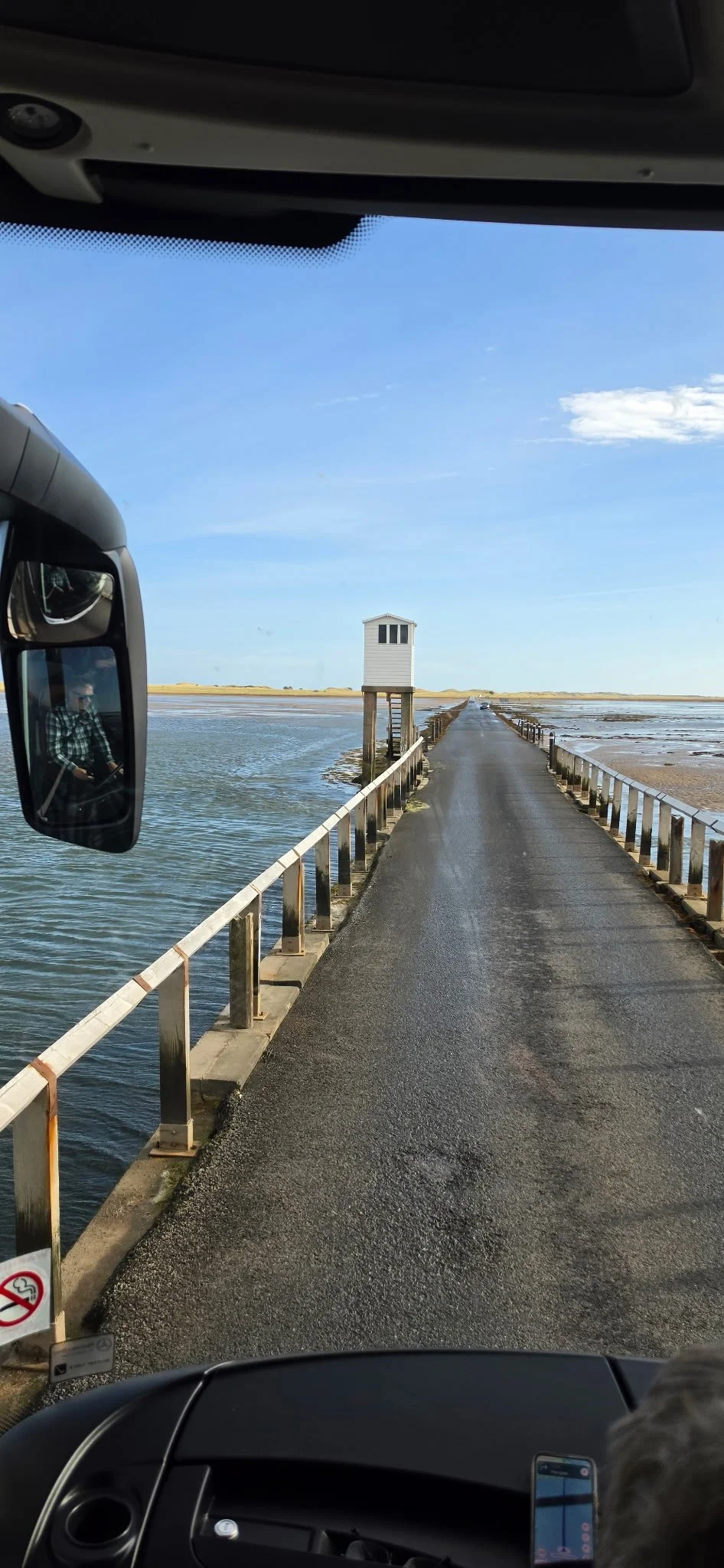
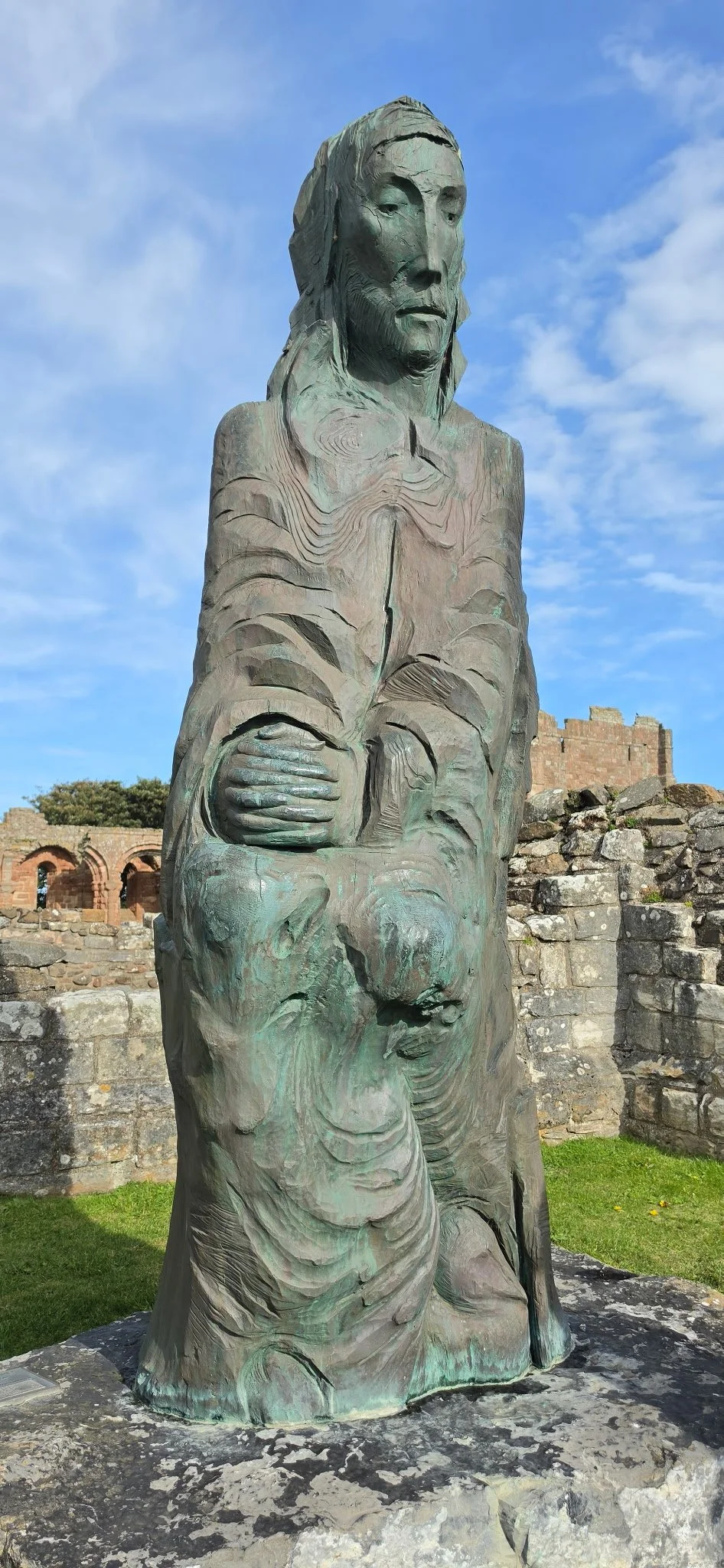
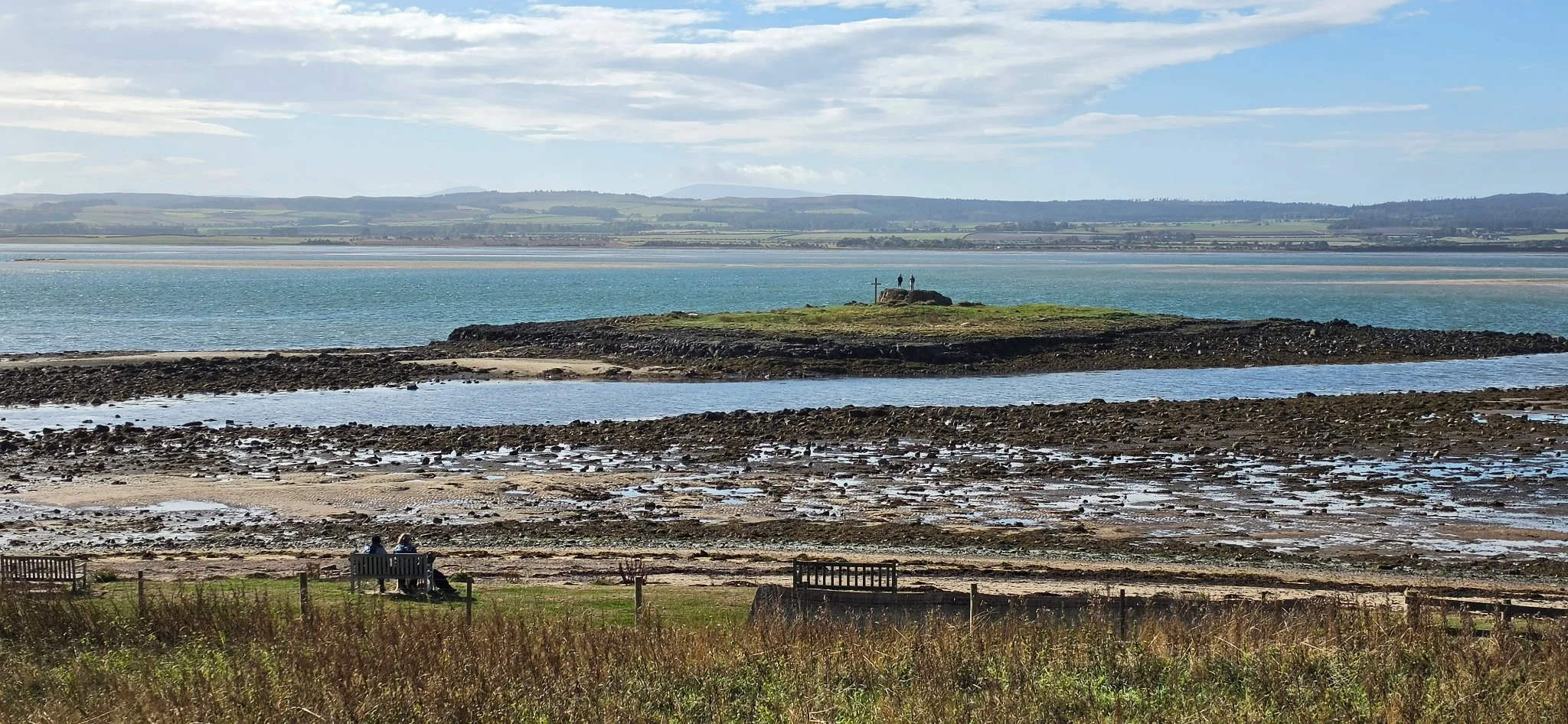
We left Edinburgh in the morning to travel 90 minutes to the Holy Island of Lindisfarne off of the coast of Northern England. The island honors the Sainta of Aiden and Cuthbert. The island can only be reached when the tide is out. There is a little hut on stilts in the middle of the causeway should you miscalculated or ignore tidal times and need to abandon your vehicle to the tides.
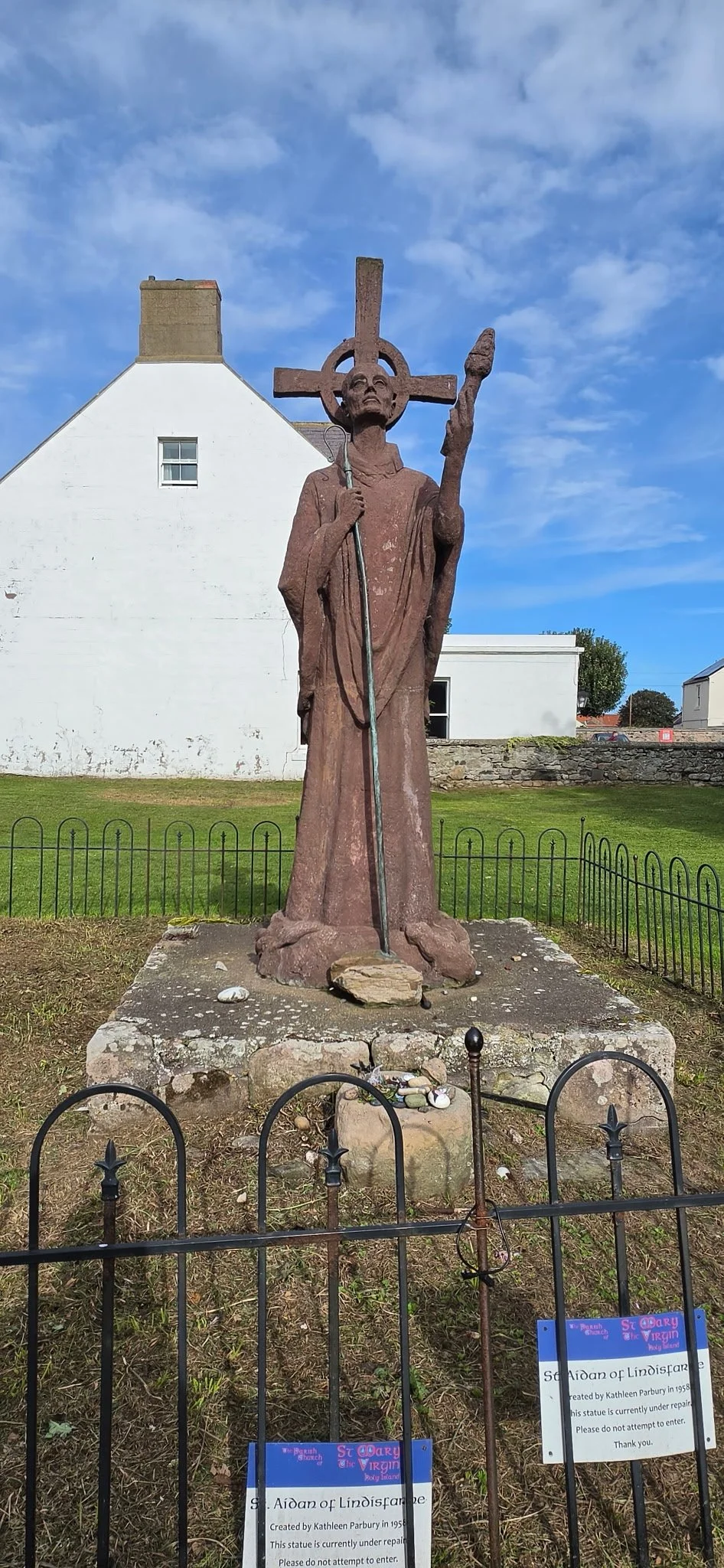
Saint Aidan's main claim to fame is founding the famous monastery on the island of Lindisfarne in AD 635 and successfully bringing Christianity back to northern England. He came from the monastery of Iona at the request of King Oswald to convert the pagan people of Northumbria. Unlike other missionaries, he walked everywhere on foot to meet people at their own level, gently persuading them through kindness and charity. The Lindisfarne Monastery he established became a vital hub for education, training future priests, and spreading Christian culture across Britain.
Legend says his prayers turned back flames and smoke when pagan invaders tried to burn down the royal city of Bamburgh. He is therefore the patron saint of firefighters.
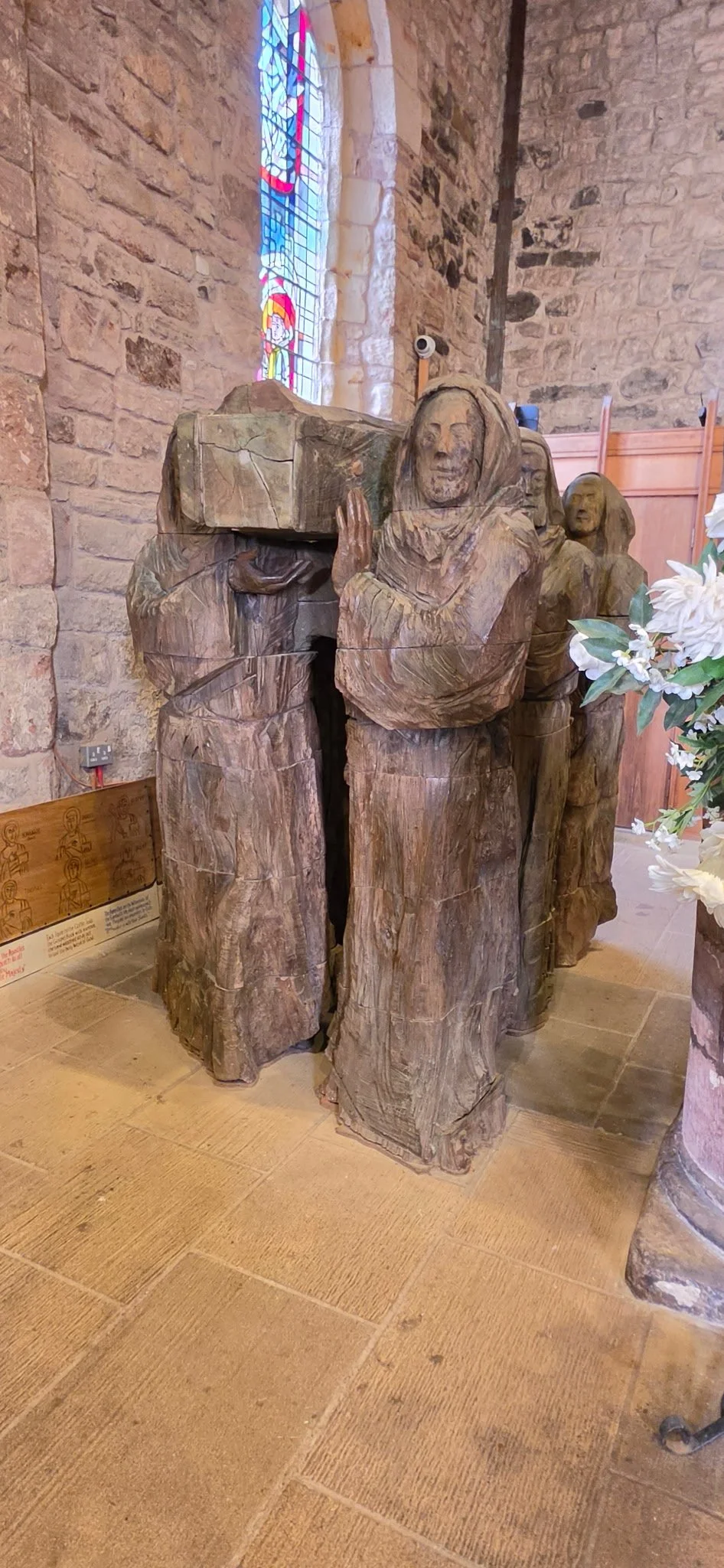
As a shepherd in the fields, St. Cuthbert had a vision of Aiden being taken to heaven. That very night Aiden died. St. Cuthbert felt this was a call from God to study and follow in Aiden's footsteps. He went to Melrose abbey to study and eventually headed the Priory on Holy Island. Cuthbert also had a conservationist heart, especially for the Eider duck and made rules against killing it and taking its eggs. For this reason it is known as the Cuddy duck (Cuddy being a nickname for Cuthbert.
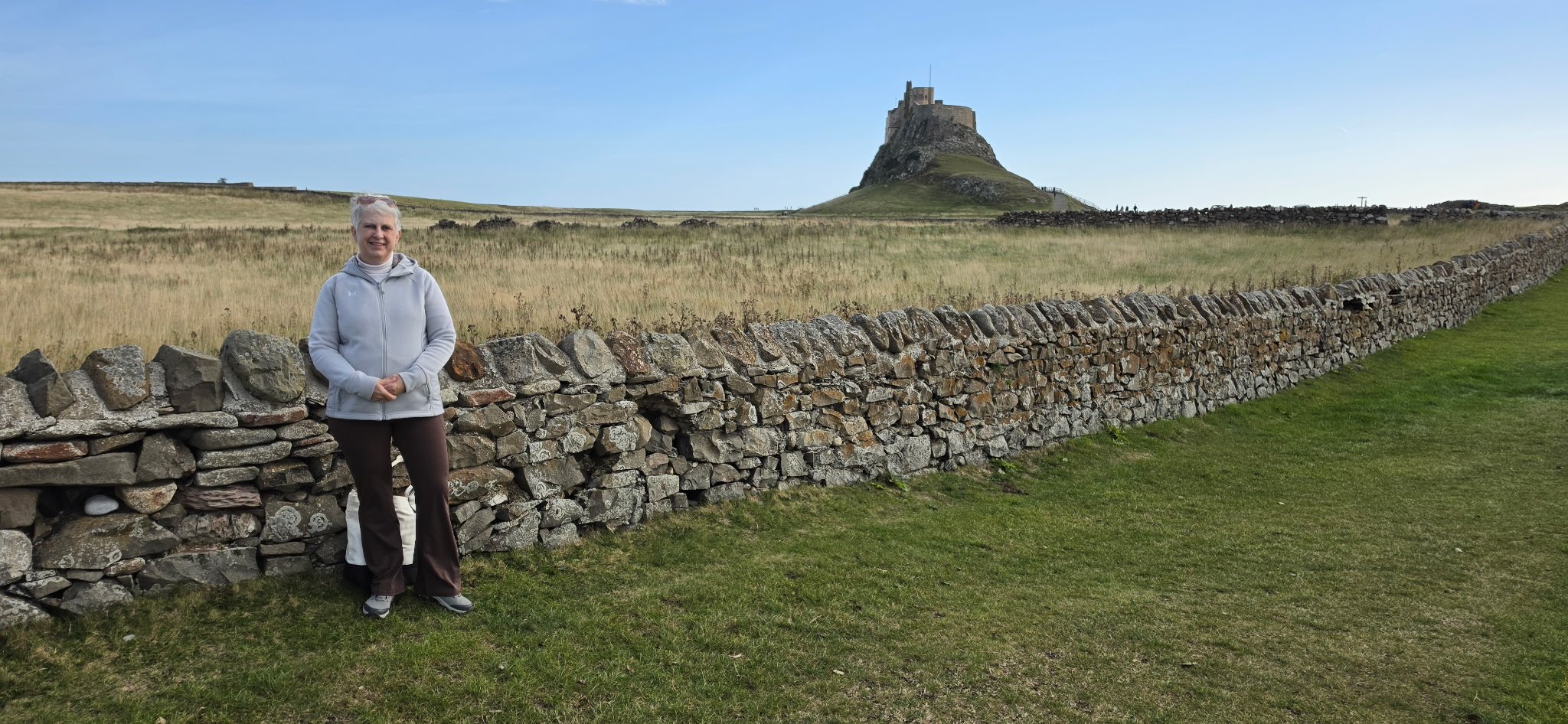
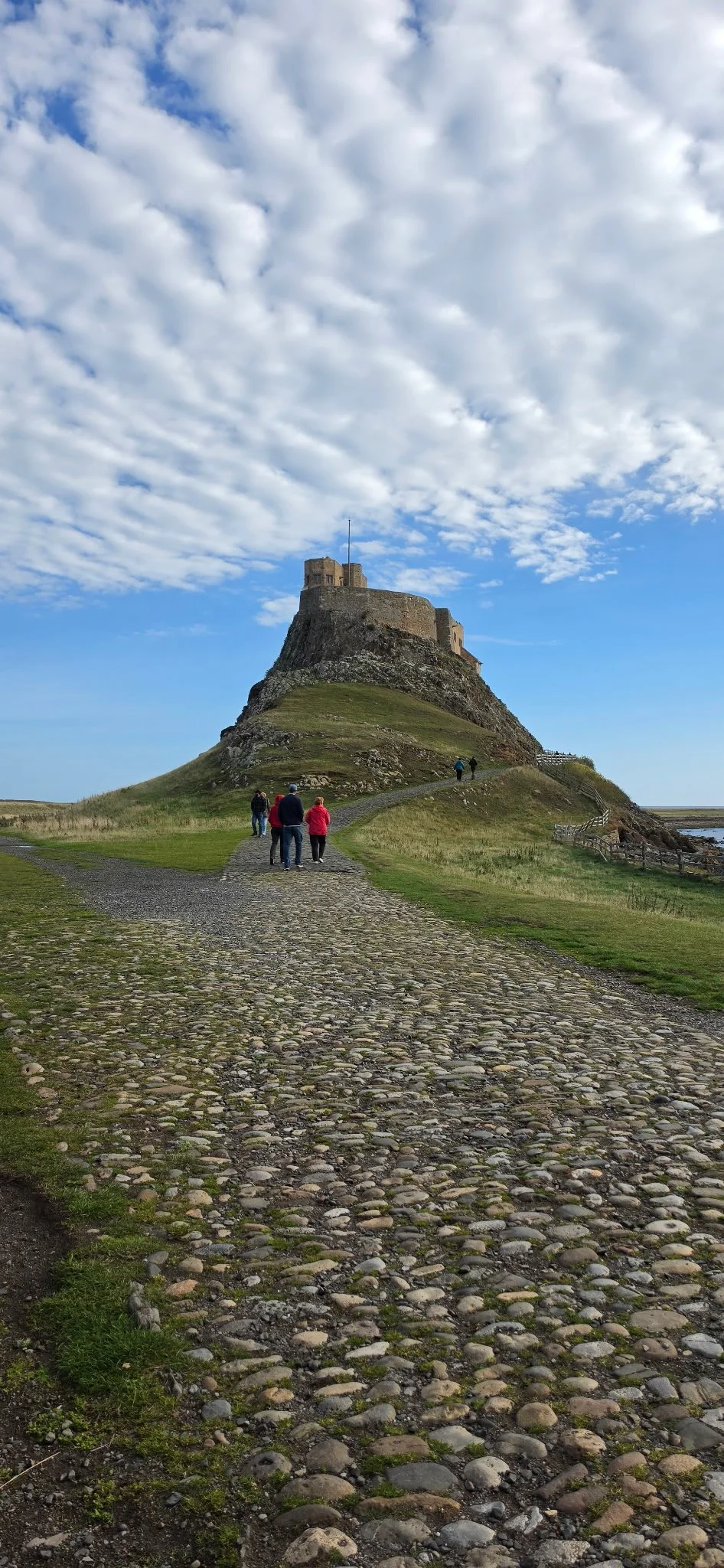
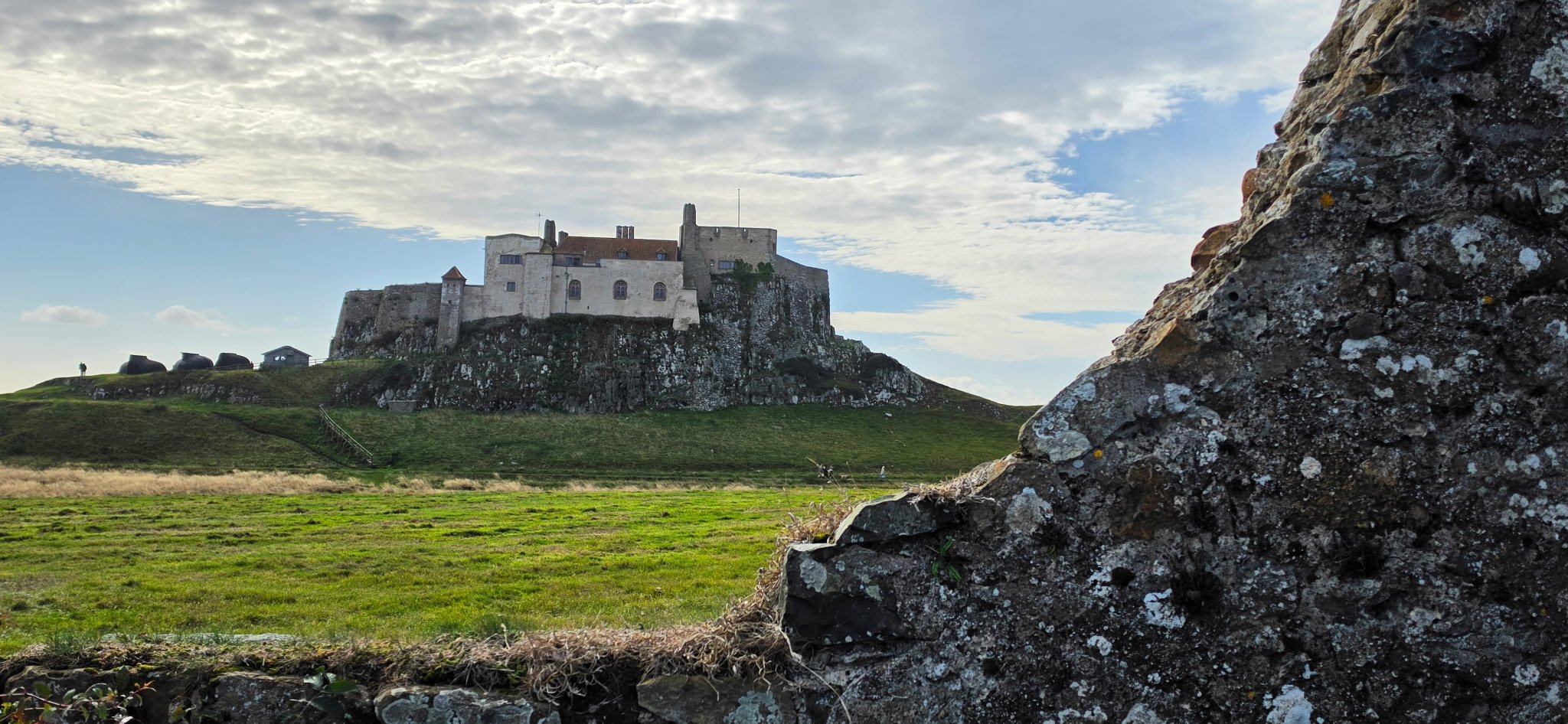
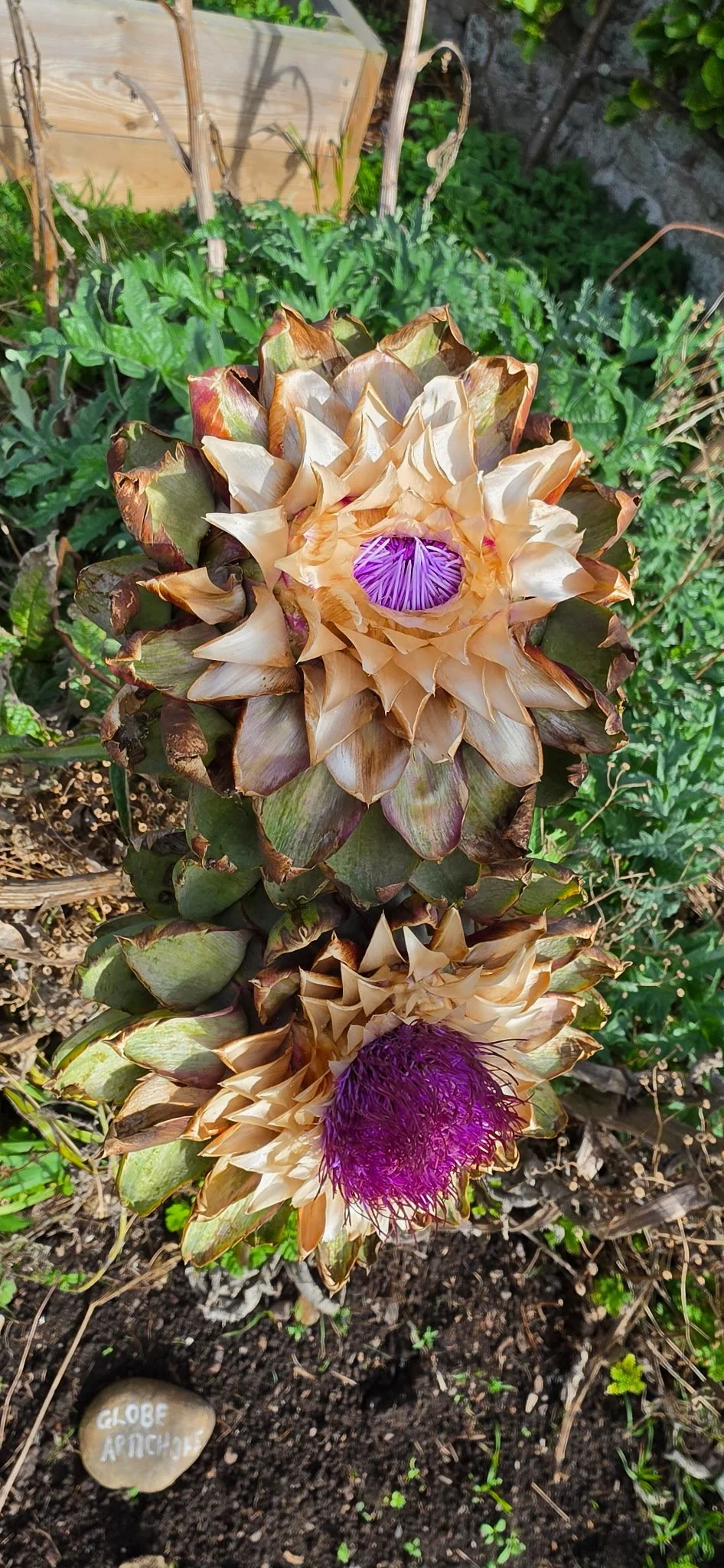
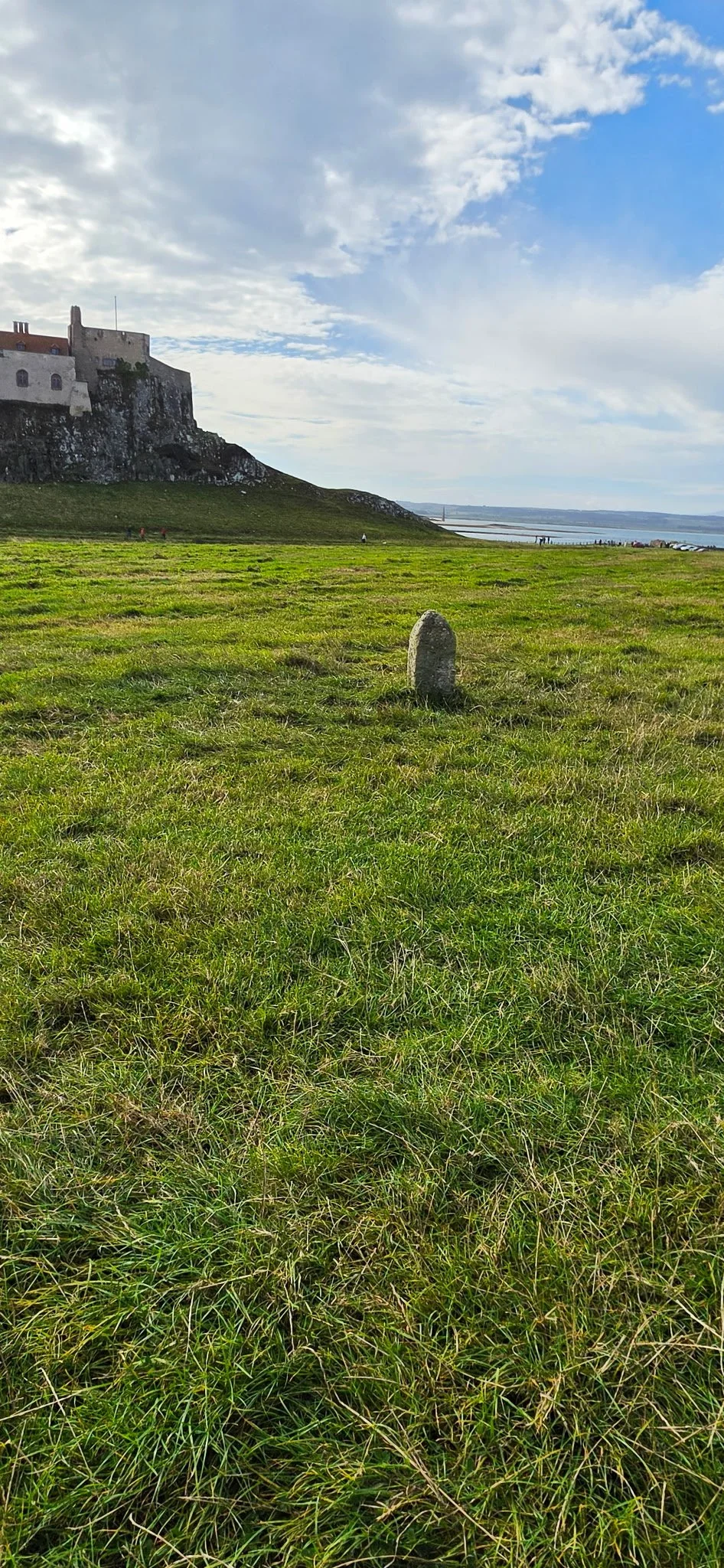
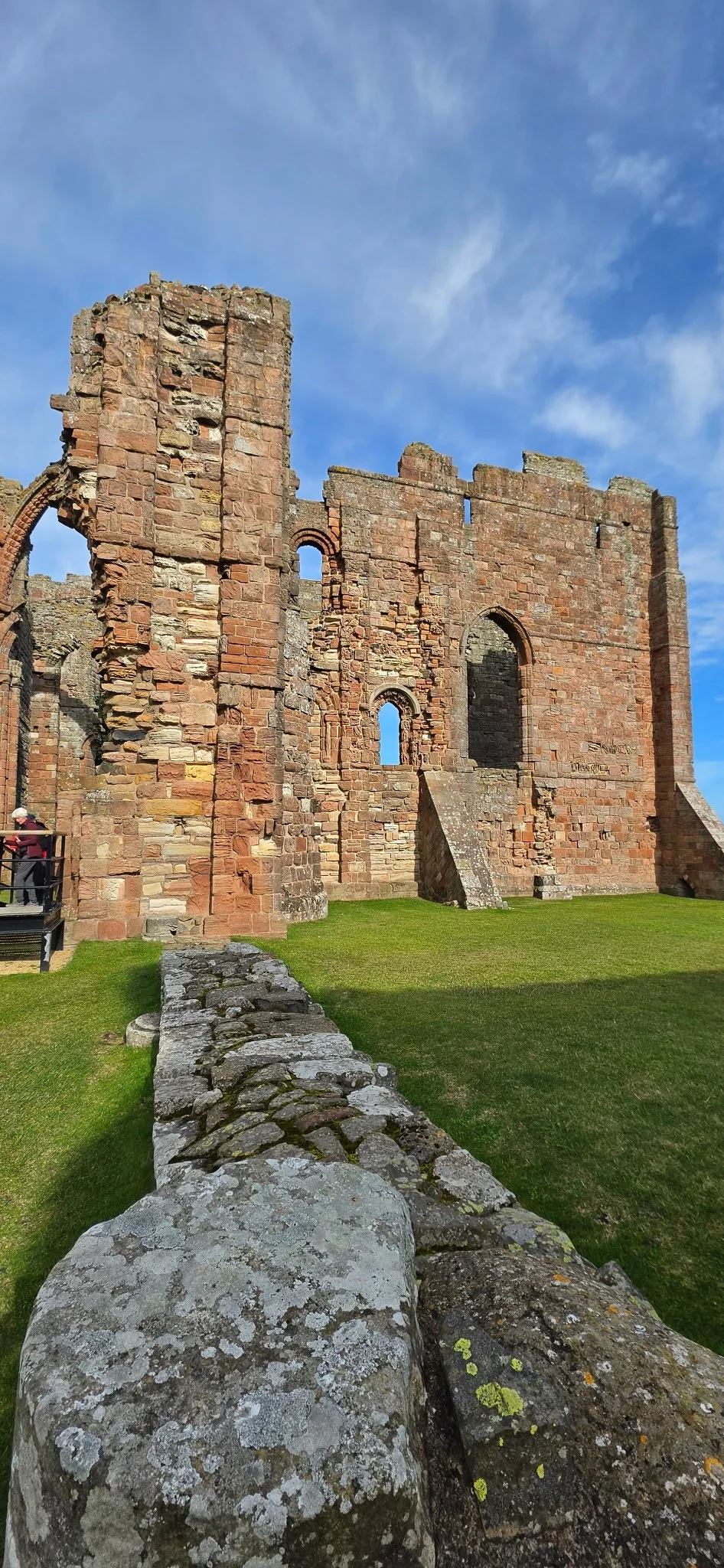
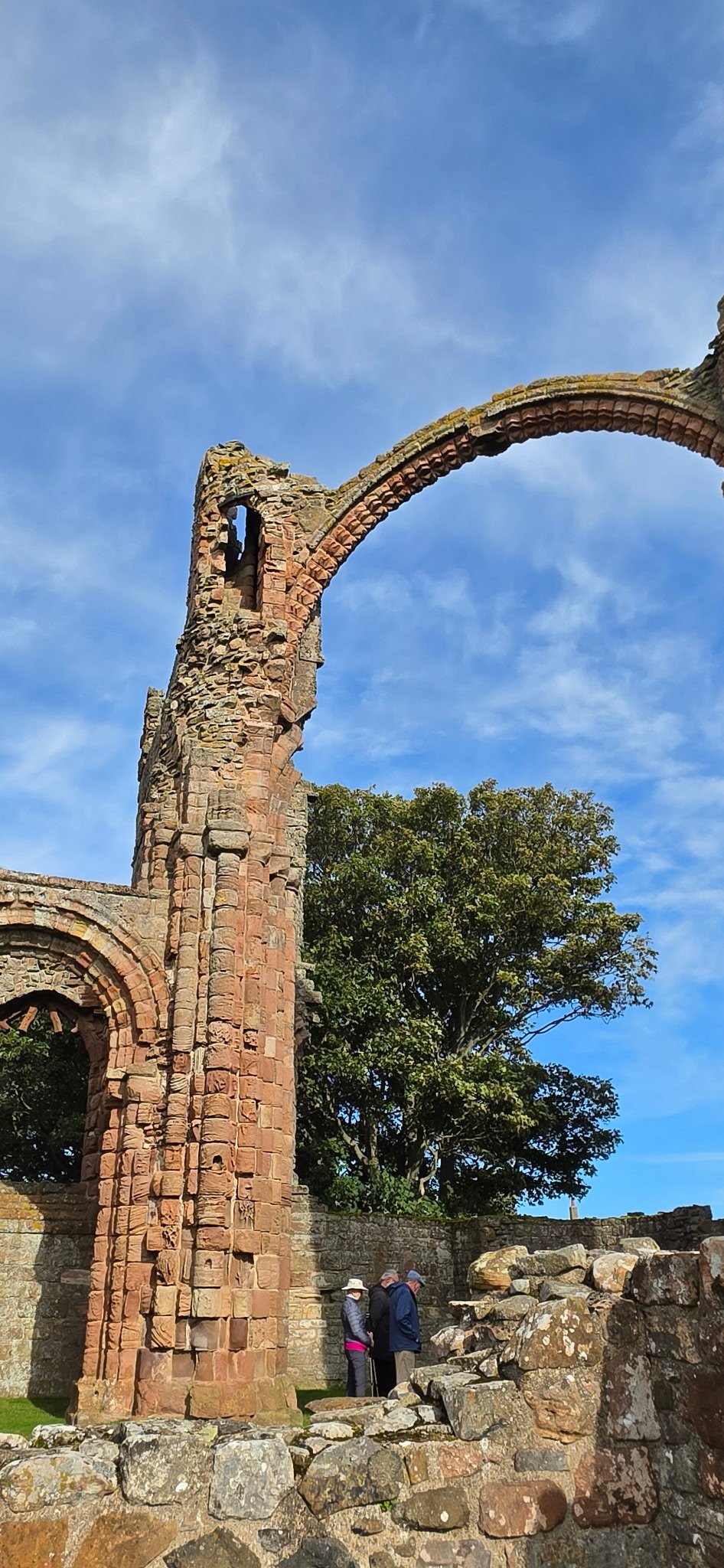
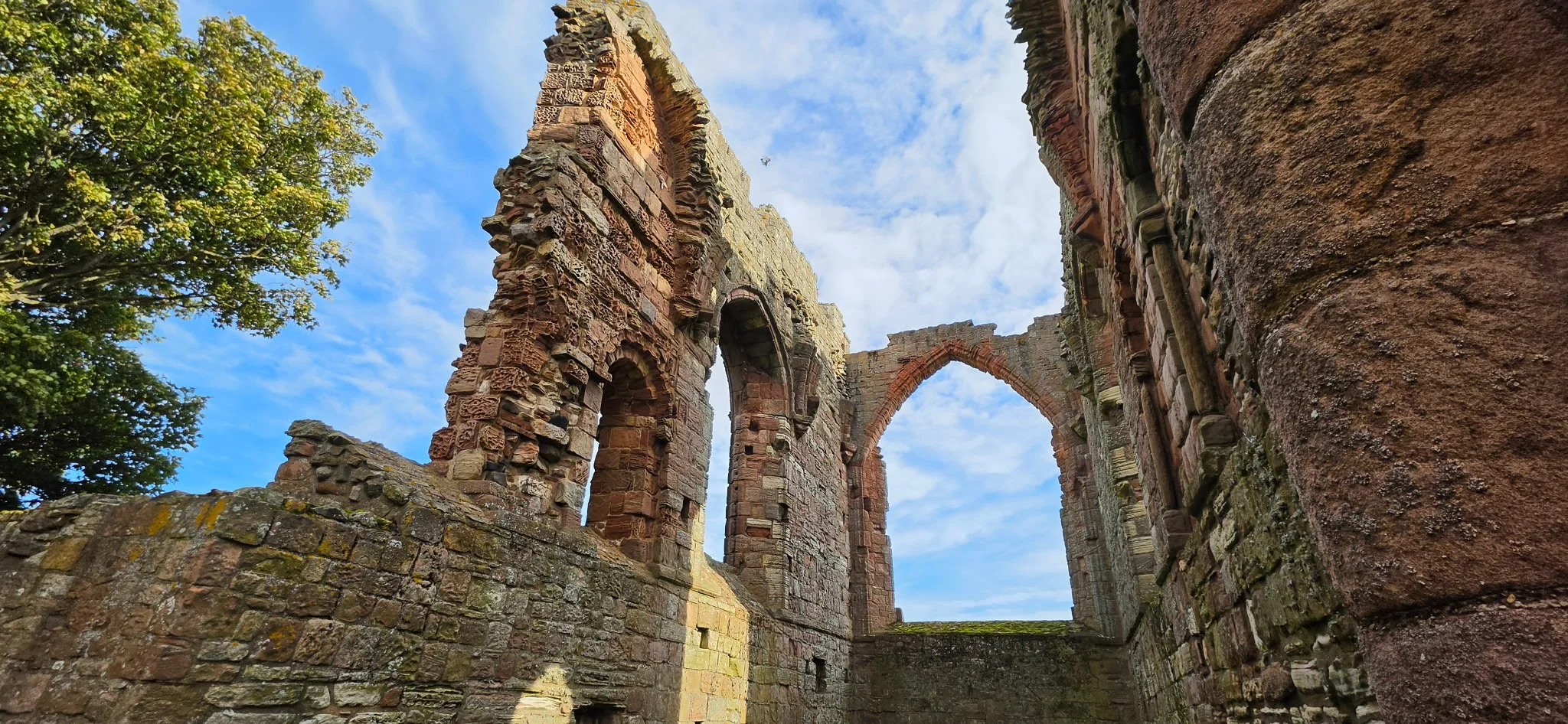
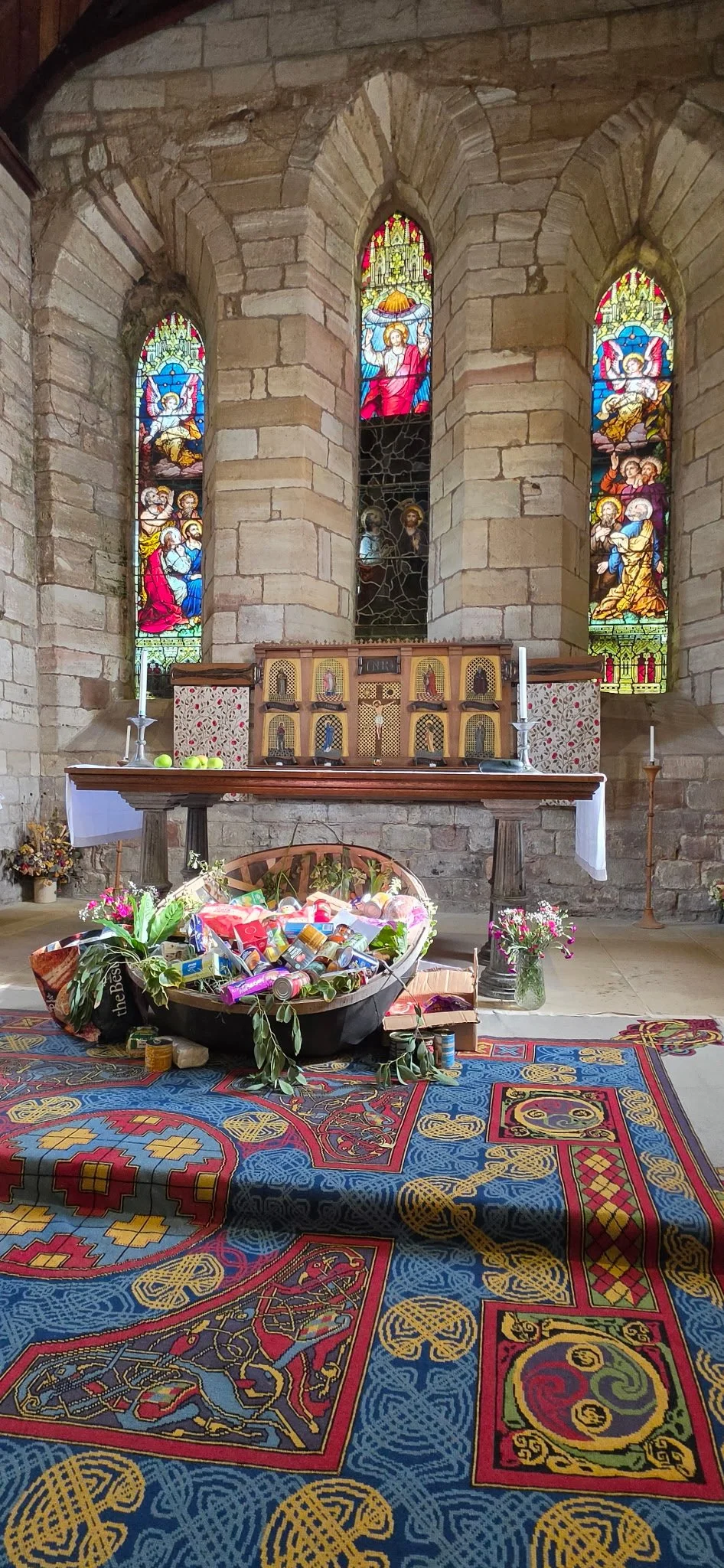
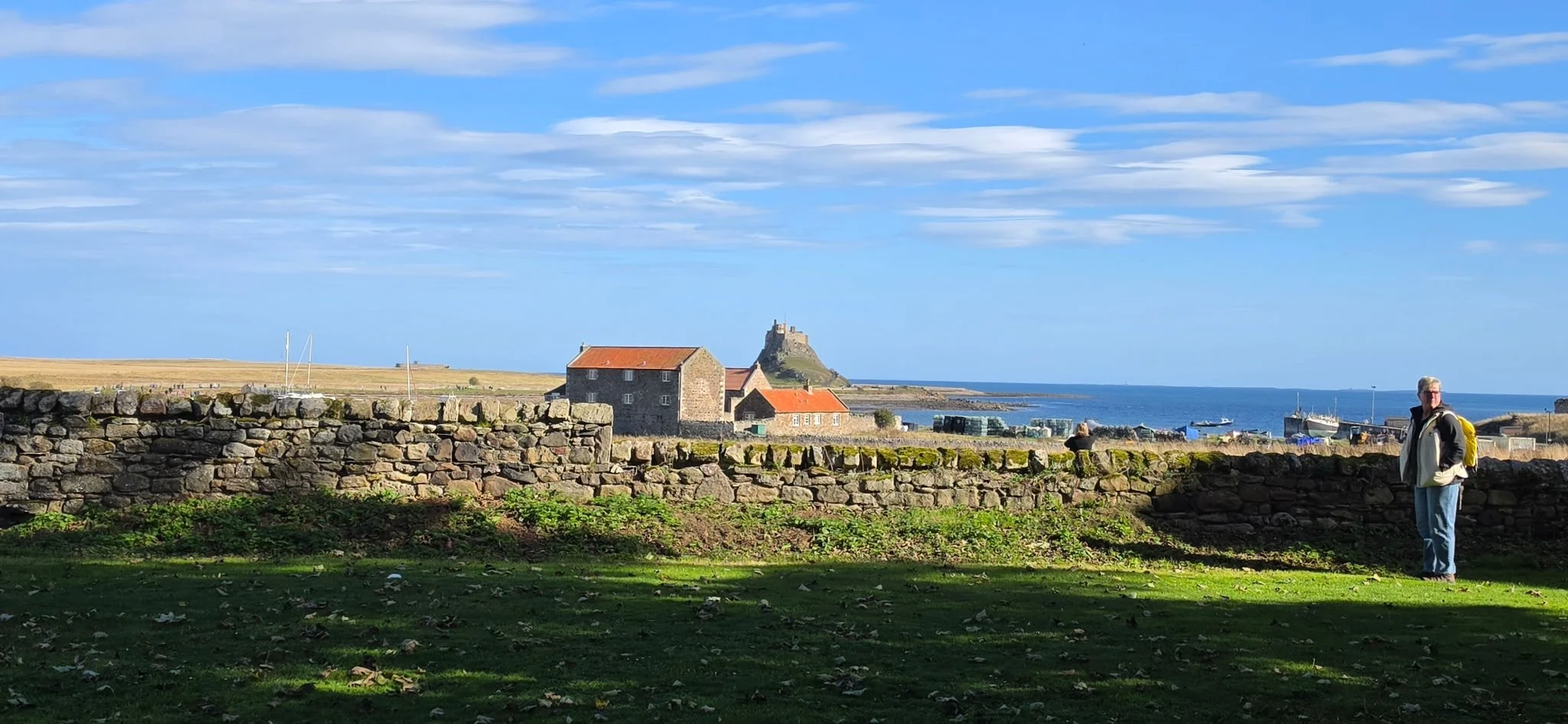
We visited the Priory ruins, museum, and some churches on the island. We walked out to the castle and walled garden, the meadery and other shops on the island...
We then checked into our hotel in Glasgow for 2 nights and met together for dinner, some music from a Scottish folk band and some Scottish dancing known as ceilidh.
Pastor Carolyn